
Have you just finished your bachelor’s degree and would like to study something a bit out of the ordinary? If so, the Underwater and Wetland Archaeology degree programme is just the thing for you!
Remember: YOU DON’T NEED TO KNOW HOW TO DIVE!!! The programme is for everyone, both practitioners and theorists, those who like to get wet, and those who observe the water from the shore. If you want, we’ll teach you to dive, but it’s not compulsory.
The Master’s degree programme specialising in underwater archaeology at Nicolaus Copernicus University in Toruń is the only one of its kind in Poland. It also meets all the requirements for Nicolaus Copernicus University to be included in the prestigious group of UNESCO UNITWIN-recognised universities offering this type of programme at Master’s level.
You can study underwater and wetland archaeology on the Master’s programme at Nicolaus Copernicus University in Toruń. More information and a link to the admissions page can be found HERE.
What you will learn
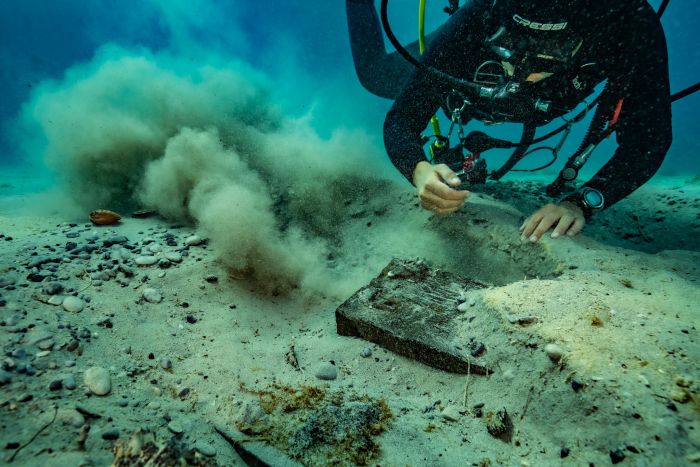
The Underwater and Wetland Archaeology programme will prepare you to carry out an archaeological project. You will learn to investigate not only submerged sites, but also those located in wetlands. You will gain a theoretical understanding of shipwrecks and the history of navigation, so that you are not only able to explore underwater sites, but also to draw appropriate conclusions from your work. In shallow waters in wetland areas, it is useful to know how people lived by the water and on the water, and what they built there. We will provide you with this knowledge, supplemented by a broad cultural and historical context.
How to organise and carry out an archaeological project
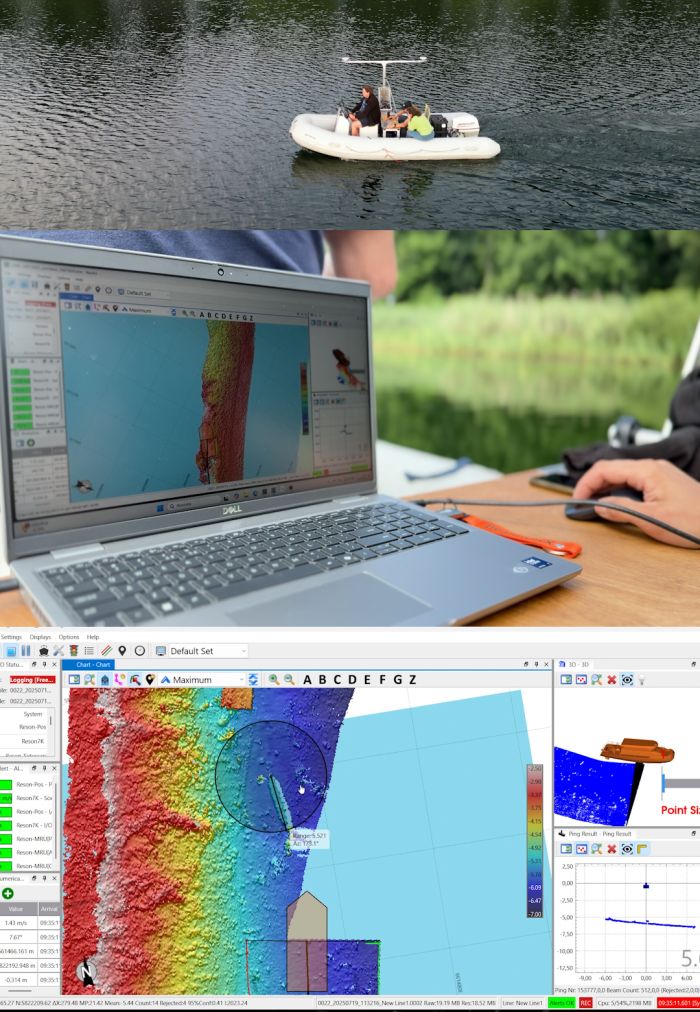
In the methodology module, you will learn how to plan and carry out an archaeological project. You will discover which excavation techniques you can use. If you’re interested in new technologies, this module is for you! We’ll teach you advanced documentation techniques, including GIS, hydrography and photogrammetry. The programme has been expanded to include palynology classes, broadening your scientific horizons.
Shipwrecks and the history of seafaring
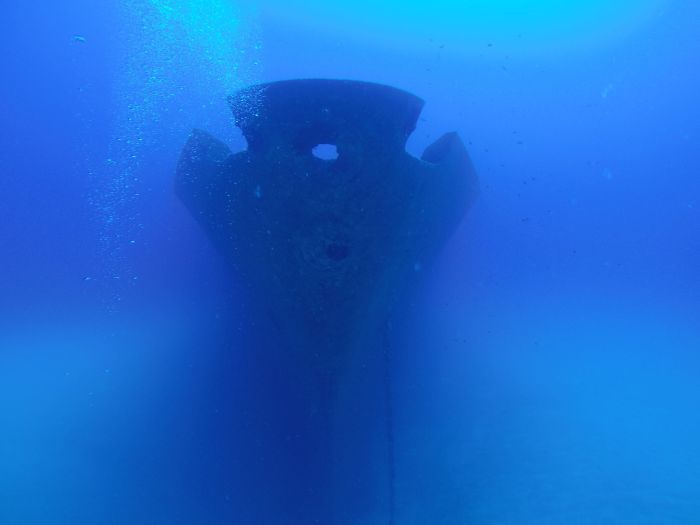
In the maritime block, you will trace the history of seafaring from antiquity to the present day. If you are interested in shipwrecks, these classes are designed just for you. Shipwrecks and sunken port cities are among the key subjects in the study of maritime history. You will learn about plenty of them.
How people lived by the water and on the water
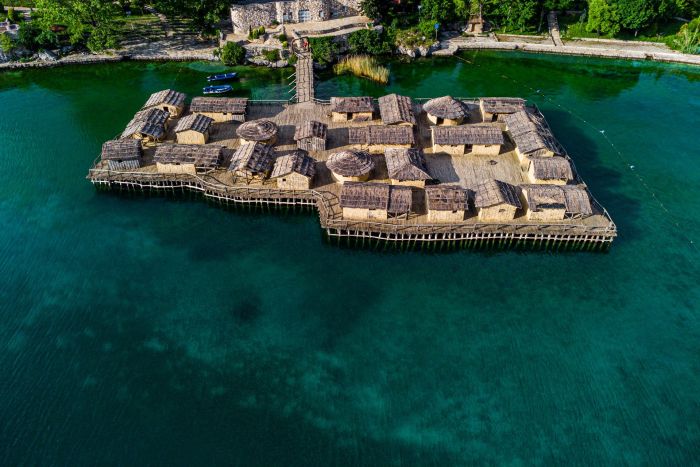
In prehistory and the Middle Ages, people were very keen to settle by water, or even to build pile dwellings and lake dwellings. In this module, you’ll learn how and why lake dwellings were established. You’ll discover the role islands played in Slavic culture and how they built bridges leading to them. If environmental protection is also close to your heart, you’re sure to find something of interest in the sessions on submerged landscapes.
Who will be teaching your classes
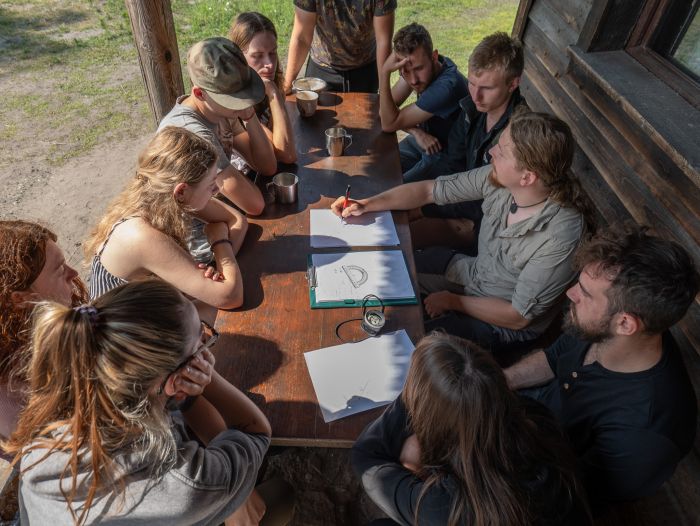
The classes are led by practitioners and specialists in their fields. Each instructor offers a unique programme as part of their classes.
Diving course
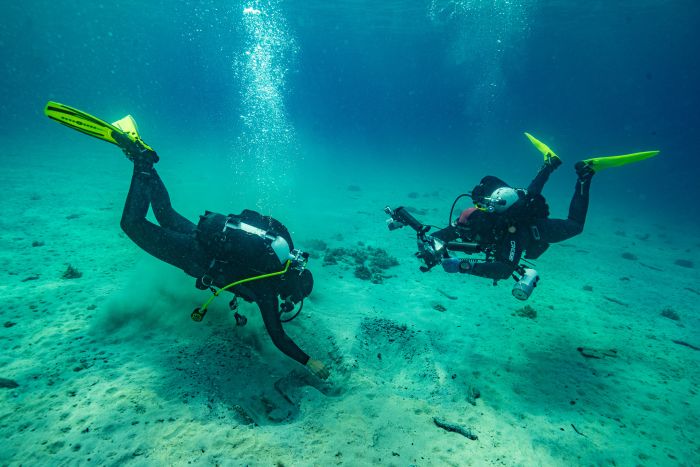
You don’t need to know how to dive to study underwater archaeology. However, if you’d like to learn this skill, nothing stands in your way. Our lecturers are also diving instructors with many years of experience and organise training camps for students every year.
List of modules for the specialisation in Underwater and Wetland Archaeology:
You can find the full Master’s programme in Archaeology at Nicolaus Copernicus University in Toruń: HERE
Courses in the second semester:
- Research practice and techniques for documenting underwater sites
- Methodology and techniques for the conservation of underwater and wetland sites
- Plant and animal micro- and macro-remains
- Archaeology of wetland sites from the Late Bronze Age and Early Iron Age
Courses in third-semester:
- Shipping and maritime activity in prehistory
- Shipping in the Middle Ages and the Early Modern Period
- Hydraulic engineering in prehistory and the Middle Ages
- Water-based and coastal settlements in prehistory and the Middle Ages
- Archaeology of submerged landscapes
Courses in the fourth semester:
- Shipping and trade in the ancient world
- Islands in the natural and cultural landscape of the Slavs
- Underwater archaeology of the New World