
Have you finished secondary school and don’t fancy a typical degree course? Not planning on becoming just another cog in the corporate machine? Then maybe it’s time for you to become an UNDERWATER ARCHAEOLOGIST.
YOU DON’T NEED TO KNOW HOW TO DIVE! The work of an underwater archaeologist isn’t just about diving, but about adventure, travel and, above all, investigating how people and the sea have coexisted for millennia.

Who is an underwater archaeologist?
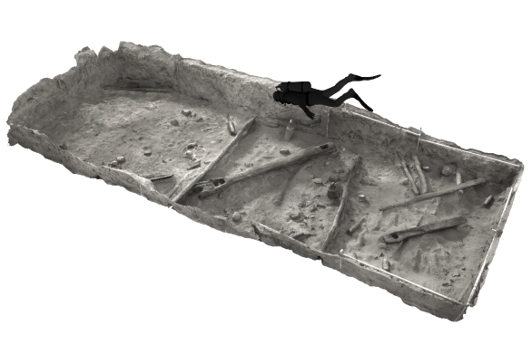
An underwater archaeologist is a combination of a scientist, a diver and a geoarchaeologist. Of course, you don’t have to be all three. An underwater archaeologist is a scientist who studies and documents historical artefacts and cultural remains found underwater. Their research may involve sunken cities and settlements, as well as shipwrecks, bridges, graves and other historical sites.
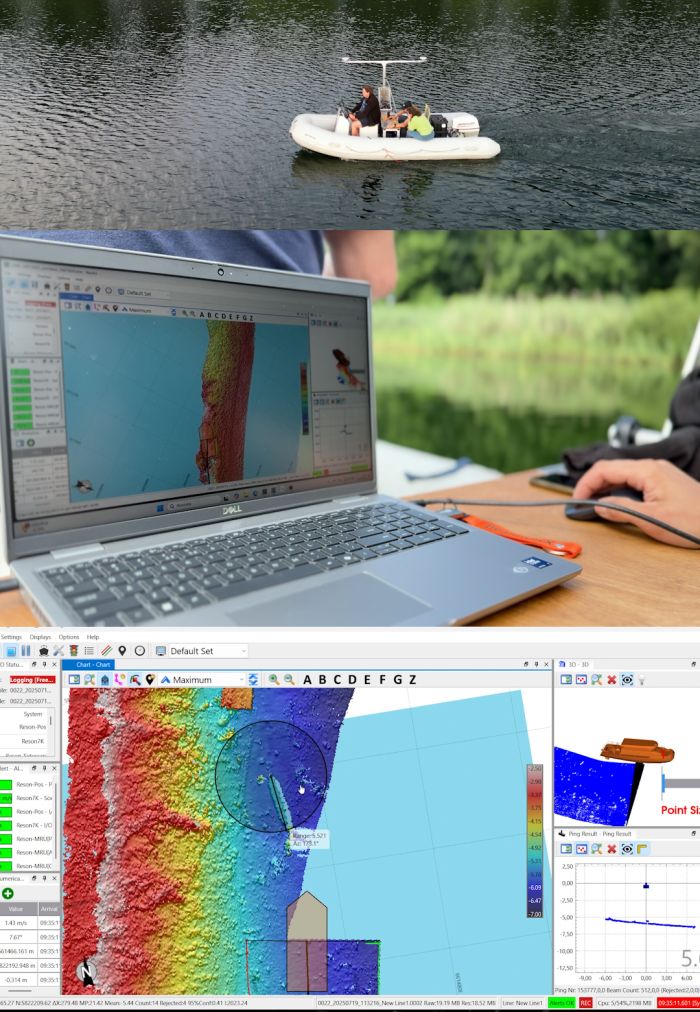
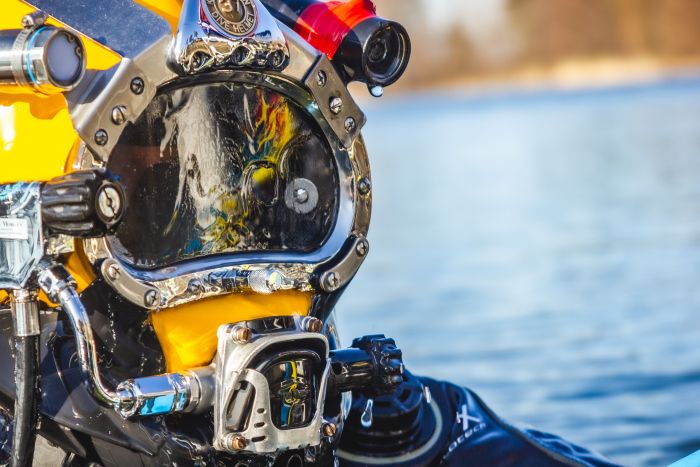
Underwater archaeologists use various techniques and tools, such as diving, underwater robots, sonar, magnetometers and high-resolution cameras, to locate, identify and document underwater heritage. Once artefacts and sites have been found, researchers take steps to protect, document, study and conserve them.
What underwater archaeology studies offer you?
The underwater archaeology module is designed to prepare you to work to global standards in any water body. It forms part of the undergraduate archaeology programme, so you will first acquire all the necessary skills to work successfully on land.
During the course, you will learn how to conduct underwater research. You will explore humanity's history from the perspective of the sea. You will learn how to use drones and 3D modelling in underwater research, and if you wish, you can take a diving course.
Diving course
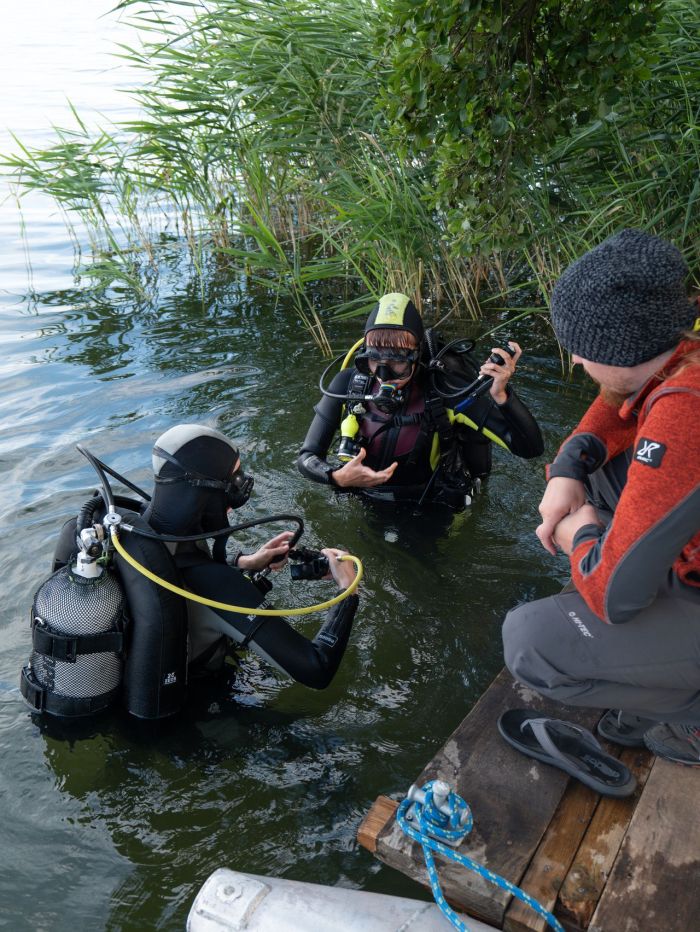
You don’t need to know how to dive to study underwater archaeology. However, if you’d like to learn this skill, nothing stands in your way. Our lecturers are also diving instructors with many years of experience and organise training camps for students every year.
Fieldwork
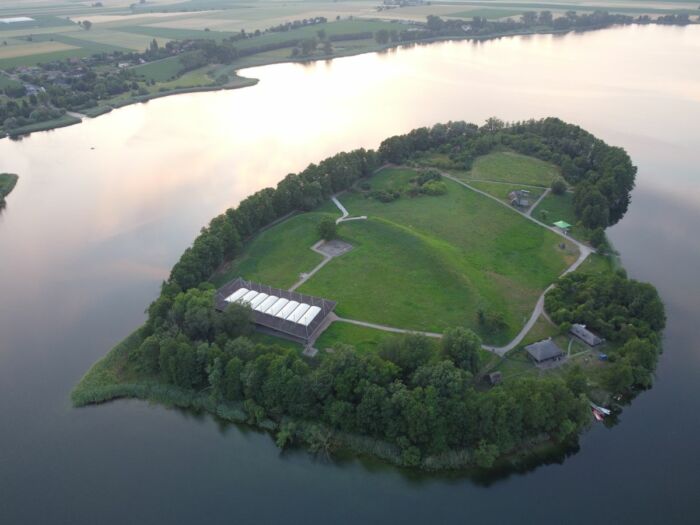
The underwater modules in the archaeology programme at NCU involve not only theory but also practical work on the island of Ostrów Lednicki, legendary among underwater archaeologists. This place is known as the ‘Mecca’ of underwater archaeology. It features three medieval bridges, leading to the island, underwater structures and countless artefacts waiting to be recovered. This makes it the best place to explore this fascinating field.
How to enrol
To take part in underwater archaeology classes, you must enrol on an archaeology degree course. You can find all the necessary information: HERE.
Academic Club for Underwater Research
The Academic Club for Underwater Research (ACUR) is, above all, a community that brings together young, ambitious people who want to become underwater archaeologists. All members share a passion for underwater exploration and discovering traces of the past. Membership of the ACUR opens up opportunities for students' academic and personal development.
What happens after graduation
The underwater archaeology module and additional activities related to these classes offer many development opportunities. Our graduates work in research centres, museums or commercial companies. The diving qualifications they have obtained have enabled some of them to work as professional divers or diving instructors.
List of courses in the underwater archaeology module:
- Underwater Archaeology of the North Sea and Baltic Sea
- Underwater archaeology of the Mediterranean
- Underwater archaeology of inland Europe
- Historical marine archaeology
- Museum Studies in Underwater Archaeology
- Project management in underwater archaeology
- Selected topics in environmental archaeology
- Methodology of underwater archaeological research